

AI video tools have become mainstream by 2026. Most platforms can now generate usable videos from text or images. The real difference between tools is no longer basic capability.
The difference lies in outcomes.
Teams do not create videos for the same reason. Some aim for attention. Some aim for trust. Others focus on scale or efficiency. When tools are evaluated without considering these goals, selection mistakes happen.
This guide reframes AI video generators by business outcome. Instead of asking which tool is best, it asks which tool best supports a specific objective.
Outcome 1: Driving Attention and Reach
Primary goal
Maximize visibility on social platforms. Social-first teams operate under tight timelines. Trends change quickly. Output frequency matters more than cinematic quality.
Key requirements include:
- Fast generation
- Short-form formats
- Minimal setup
- Trend adaptability
Tools aligned with this outcome
Loova
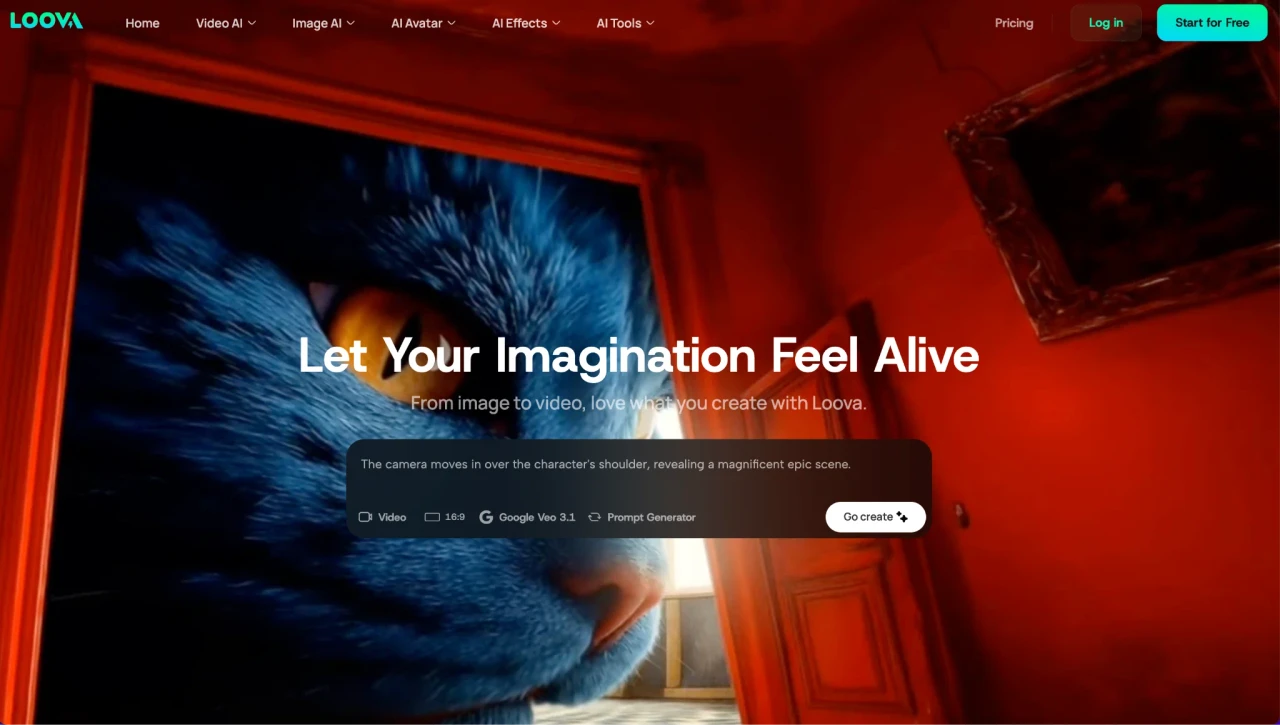
Loova fits attention-driven workflows by combining generation, editing, and motion features in one system. Its ability to switch between text, image, and video inputs supports rapid experimentation.
The mimic motion feature allows teams to reuse motion patterns from trending videos. This helps content feel native to platforms like TikTok and Instagram Reels.
Wan AI
Wan AI prioritizes simplicity. It works well for fast output but offers limited flexibility once content needs variation.
Why these tools work here
Attention-focused teams benefit from speed and reuse. All-in-one platforms reduce friction and increase publishing velocity.
Outcome 2: Building Trust and Professional Credibility
Primary goal
Communicate authority and clarity.Corporate teams, educators, and B2B marketers prioritize consistency and tone. Visual novelty is less important than reliability.
Key requirements include:
- Stable presentation
- Clear narration
- Multi-language support
- Brand alignment
Tools aligned with this outcome
Synthesia
Synthesia specializes in avatar-led presentations. It supports multiple languages and accents, making it suitable for global communication.
Heygen
Heygen focuses on virtual presenters for training and instructional content. It reduces the need for on-camera talent.
Why these tools work here
Avatar-based platforms prioritize predictability. This consistency builds trust over time.
Outcome 3: Differentiation Through Creative Quality
Primary goal
Stand out visually. Creative teams and agencies aim to produce distinctive content. Control matters more than speed.
Key requirements include:
- Fine-grained customization
- Style control
- Experimental capability
Tools aligned with this outcome
Runway ML
Runway supports advanced effects and real-time manipulation. It suits creators exploring visual innovation.
Kling AI
Kling provides detailed control over lighting, composition, and character behavior. It rewards experienced users.
Why these tools work here
Creative differentiation requires flexibility. These platforms trade simplicity for control.
Outcome 4: Scaling Content Production Efficiently
Primary goal
Produce large volumes of content with predictable quality.
Marketing teams and enterprises often manage multiple campaigns. Efficiency and repeatability matter.
Key requirements include:
- Automation
- Consistent output
- Low marginal cost per asset
Tools aligned with this outcome
Sora
Sora targets large-scale content generation. It automates scripting and structure for enterprise workflows.
Loova
Loova also supports scaling through unified workflows. Teams generate variations without switching tools.
Why these tools work here
Scaling favors systems over features. Automation reduces coordination cost.
Outcome 5: Maximizing Existing Content Value
Primary goal
Extend the lifespan of existing assets.
Many teams already produce long-form content. The challenge lies in reuse.
Key requirements include:
- Automatic clipping
- Multi-platform formatting
- Low manual effort
Tools aligned with this outcome
Opus Clip
Opus Clip extracts short segments from long videos. It improves distribution efficiency.
Pictory
Pictory converts written or long-form content into video formats suitable for sharing.
Why these tools work here
Repurposing multiplies reach without increasing production cost.
Why Outcome-Based Selection Reduces Risk
Most teams adopt AI video tools through experimentation. Without clear goals, tools appear interchangeable.
Outcome-based selection clarifies trade-offs. Speed-focused teams accept less control. Creative teams accept slower workflows. Enterprise teams accept higher costs for stability. This clarity prevents tool churn and wasted setup effort.
AI video tools are converging toward unified systems. At the same time, specialization remains necessary. Teams that align tools with outcomes build more sustainable workflows. Tools serve strategy, not the reverse.
Conclusion
The AI video landscape in 2026 rewards clarity. The best tool depends on the desired result.
By selecting AI video generators based on business outcome, teams avoid unnecessary complexity and improve execution quality.
Effective use of AI video starts with the right question. Not which tool is best, but which outcome matters most.